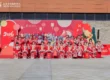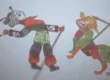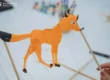





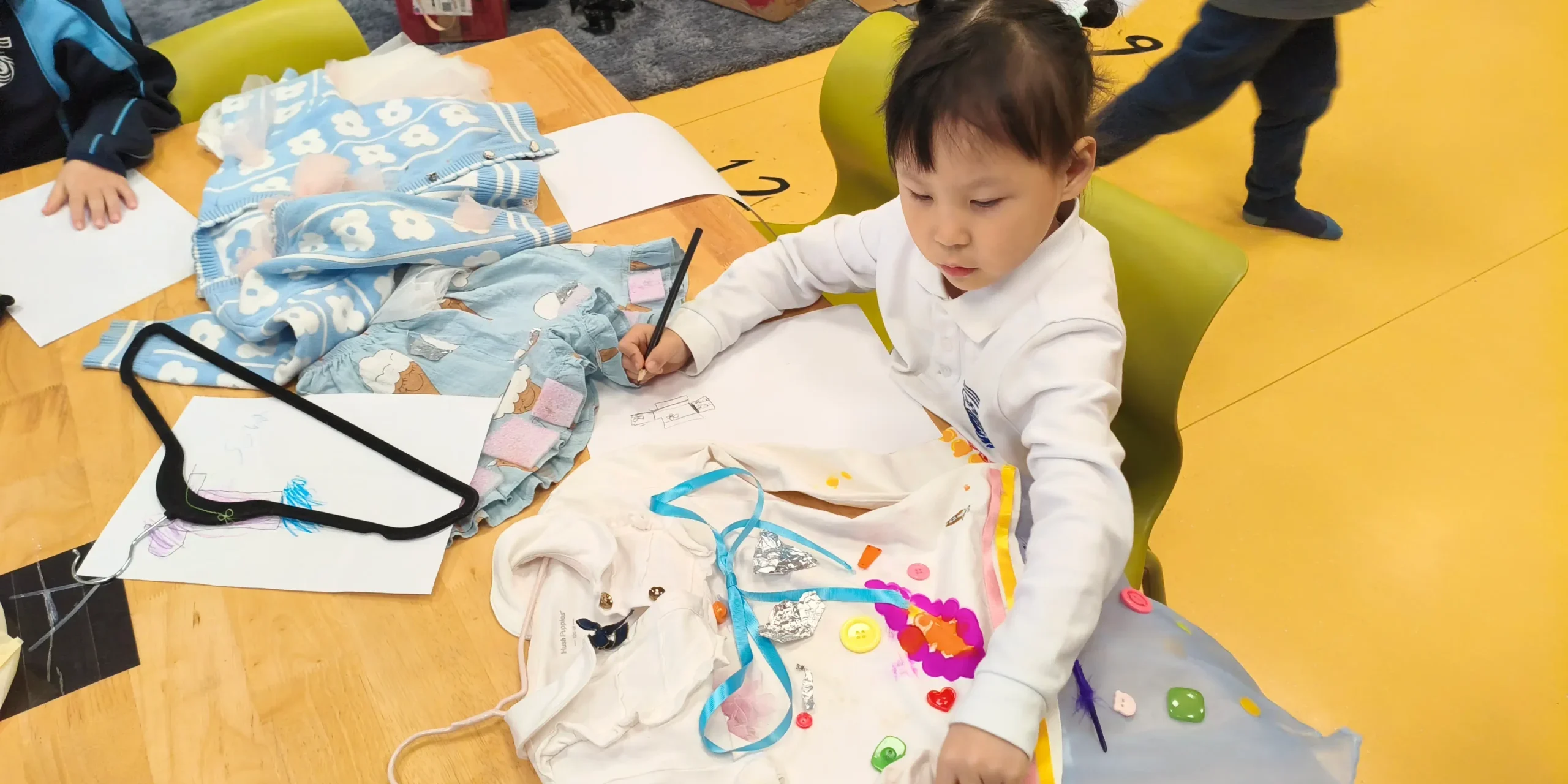
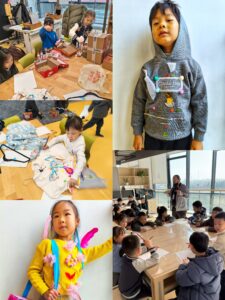
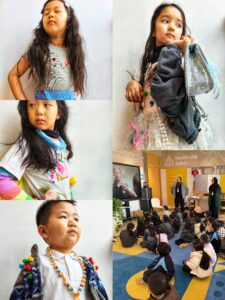
After learning about resources and sustainability, our P1 learners took on the role of designers and changemakers. They gave new life to old materials by designing and illustrating eco-friendly outfits for the first ever P1 Fashion Gala. This learning experience went far beyond crafting – it was about applying understanding, developing skills, and growing in confidence as responsible global citizens.
This work was part of their unit of inquiry under the transdisciplinary theme Sharing the Planet, guided by the central idea:
“People can make choices to support the sustainability of the Earth’s resources.”
In line with the PYP’s concept-driven approach to learning, students explored the specified concept of responsibility, developing an understanding of how everyday choices can impact the planet.
Learning Through Design
As learners investigated ways people can sustain the Earth’s resources, they engaged in discussion, questioning, and reflection. These inquiries led them to consider waste, reuse, and fairness, and naturally inspired them to take action. As a result, students were guided to design outfits using materials they no longer used, applying their learning in a meaningful, real-world context.
This served as the summative assessment and end of unit celebration. In the PYP, assessment is authentic and ongoing, providing students with opportunities to demonstrate understanding through purposeful tasks rather than traditional tests.
Learners worked to create an outfit that represented sustainable responsibility using reused or recycled materials. The success criteria were clear and intentional:
- Turning old or unused materials into a unique, wearable design
- Explaining how the design shows care for the Earth’s resources
Students engaged in a full design cycle. They collected and used loose parts, cardboard boxes, fabric scraps, and recycled materials, in order to move through the stages of planning, designing and constructing their original creations. This design process was followed by a reflective session allowing students to articulate their learning.
Student Voice and Agency at the Centre
This work was a powerful example of student agency, a key feature of the PYP. Students had voice and choice in their designs, took ownership of their decisions, and solved problems independently and collaboratively.
Their understanding was clearly demonstrated through reflection. When asked, “Should we reuse clothes? Why?”, students shared thoughtful responses:
“Yes, because we can use it again and again and not waste.” – Lucas
“Yes, because it is a waste to buy new clothes all the time.” – Alisa
“Yes, because if we reuse clothes, more animals don’t need to die.” – Joanna
One student connected sustainability to fairness and global responsibility:
“I think we need to re-use the old clothes because if we did that. the old clothes will not be wasted, and I hope everyone can have clothes to wear.” – Blake
Approaches to Learning in Practice
Throughout the process, learners developed key Approaches to Learning (ATL) skills, which the IB identifies as essential tools for lifelong learning.
Thinking skills were evident as students analyzed the properties of different materials and made purposeful design choices. Sturdy cardboard became armor, soft netting transformed into flowing costumes, and packaging materials were repurposed into decorative features. Students applied their understanding of Reduce, Reuse, Recycle in authentic and meaningful ways.
Self-management skills were demonstrated from the first sketch to the final design. Students showed focus, perseverance, and resilience, adapting their ideas and trying new strategies when challenges arose.
Author: P1 Teachers