


An Exemplary Showcase of Project-Based Learning, Inquiry, and Student Innovation
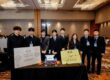
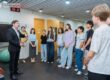
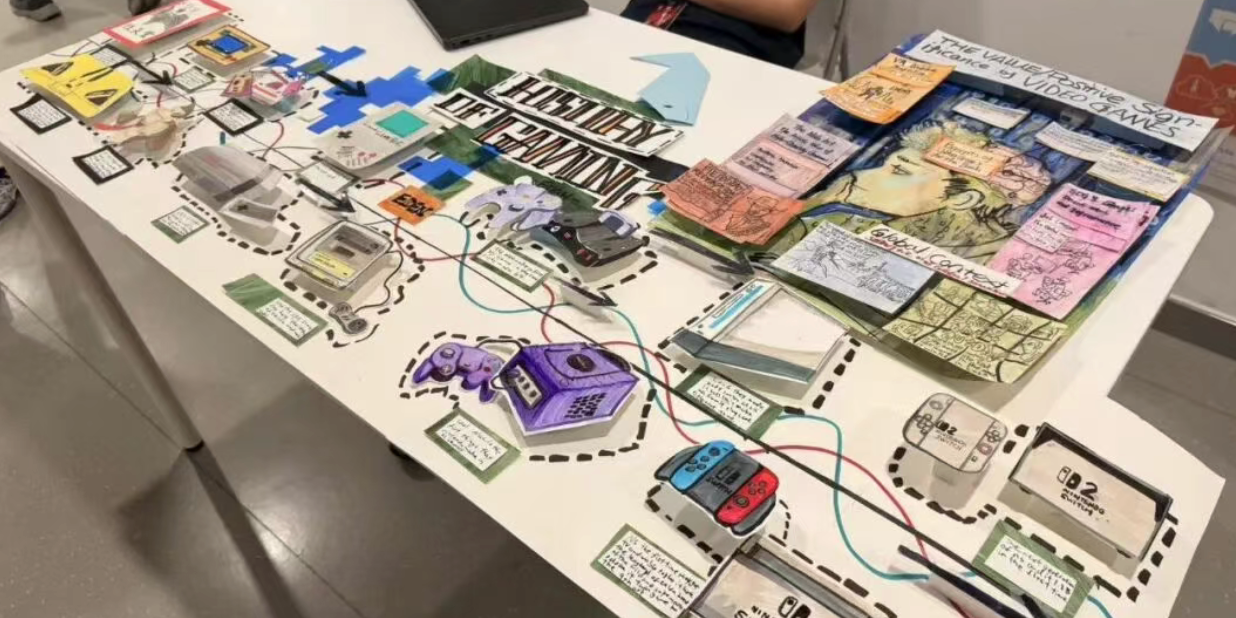
MYP 1, 2, and 3 students recently achieved remarkable success with their META Project Exhibition, building upon the strong foundation laid by previous cohorts. This vibrant event epitomized the core values of the META project, spotlighting big transferable ideas that move seamlessly from the classroom to real-world applications. The exhibition underscored how these young learners infused their content knowledge and skills with authentic meaning, addressing pressing global issues through thoughtful inquiry and creative problem-solving.
Student-Centered Learning at its Best
The META project places a strong emphasis on individualized learning, ensuring that students are active, compassionate, and lifelong learners. By centering the educational process on the students themselves, the project nurtures a holistic educational experience. This approach balances cognitive development with overall well-being, encouraging students to become well-rounded individuals equipped to navigate an increasingly complex world.
The Journey of Inquiry-Based Learning
The students began their projects in the second semester with a “research question” that formed the foundation of their exploration. This inquiry-based approach allowed students to delve deeply into their chosen topics, answering their research questions through a variety of innovative methods. From developing interactive simulations and educational videos to designing community teaching resources and conducting hands-on environmental experiments, students expressed their understanding creatively and effectively.
Bridging Learning Experiences
Throughout the project, students effectively bridged their learning experiences to reinforce their understanding of key concepts. This process helped them gain a deeper comprehension of the material and how it applies to the real world. The purpose of the META project is multifaceted, aiming to:
• Improve understanding of concepts and theories.
• Enhance life skills such as problem-solving, collaboration, time management, and understanding of real-world applications.
• Develop responsibility, self-direction, communication, creativity and a better understanding of how to learn.
A Grand Exhibition: Voices of Impact and Growth
Here are some comments about the project from our students:
Harper reflected on her mathematics-focused project:
“I believe that my classmates and I benefited from my META project. I know my project was successful because my classmates seemed interested in the new perspective on math that I designed using 3D models to explain math theories. I used a lot of prior knowledge in my META project because it is based on math, a subject I am very interested in; this prior knowledge saved me time on research. Through this project experience, I improved my self-management skills, especially my organizational skills. Ultimately, I learned how to reflect on and evaluate my META project.”
Muhammad Bilal Hussain shared his journey in quantum education:
“My Meta project focused on creating an interactive quantum technology simulation and an animated educational video to help students better understand complex quantum concepts such as superposition, entanglement, and probability. The main benefits of my project were for myself and other students, as the simulation made it easier for other students to understand what was going on. I know my project was successful because my game was fully working, and I barely used AI’s help to fix errors. It was really easy to make the game because everything was step by step. Before this project, I had a lot of coding experience because I did an online course for 8 months just to learn coding, which helped me make a game for my Meta Project. Through this experience, I learned numerous things. Before, I wasn’t really satisfied with my coding and animation skills, but now it has made me more satisfied and improved me overall because I used to give up on things that I thought weren’t for my age or were really complex. But this time, I was confident.”
Alicia Feng highlighted her environmental initiative aligned with SDGs 6 and 14:
“My ocean water sanitation project, aligned with SDG 6 and 14, benefited myself, my school community, and local coastal residents. Personally, I gained a firsthand understanding of water pollution’s impact, while my school benefited from increased student awareness of marine conservation, and local communities received actionable information about ocean protection. The project succeeded as I used filtration to isolate microplastics from 50L of seawater and distributed posters/stickers to over 50 people. I brought prior environmental safety knowledge to design safe sampling protocols. Through this experience, I grew as an IB learner—becoming a more confident communicator, risk-taker, and globally minded citizen, better equipped to address real-world issues.”
“In this community project, my partner and I designed seven math online lessons for P6 students, encompassing fundamental M1 concepts. As the major beneficiaries, our product enabled P6 students to preview M1 content and gain a better understanding of the MYP curriculum. My partner and I also benefited, as we further enhanced our own math knowledge. We know the project was successful because our surveys with the clients indicated that we have successfully met our success outcome of building their confidence in learning math. Before starting the project, I already had a comprehensive understanding of M1 math and had mastered prior skills, including collaboration and research. As a whole, throughout this project, I’ve learned that teaching others is an effective way to deepen my own understanding apart from practicing and studying.”
Dereck Li and General Zhou further exemplified collaborative impact:
“Our project aimed to support P6 students transitioning smoothly into M1 Mathematics by easing their learning anxiety and bridging key curriculum gaps, bringing meaningful benefits to everyone involved; we successfully delivered tailored lessons to over 100 students, who showed clear growth in mathematical confidence and practical skills, while our own team strengthened research, communication and mathematical expertise, built core competencies in teamwork, time management and creative thinking, and gained valuable experience in designing practical, student-centered community solutions, and our school also obtained a reusable, sustainable transition resource that can continue to support future cohorts of students.”
These reflections beautifully illustrate the META project’s success in fostering not only academic growth but also essential life skills, confidence, and a sense of global citizenship.
Going Forward
As the Middle Years progress, we eagerly anticipate even more unique and impactful projects from our MYP 1-3 students and the wider school community. The META project has set a high standard for project-based learning, and we look forward to seeing how future students will continue to innovate and excel in their educational journeys. The META Project Exhibition was not just a showcase of student work; it was a powerful celebration of the transformative power of inquiry-driven, student-centered learning and the incredible potential of our young learners. We are proud of their achievements and excited about the future possibilities that lie ahead.
Click here for more details.
Author:
Bella Yang (Secretary to the Secondary Principal, TOK Teacher, Service As Action Co-Coordinator)